
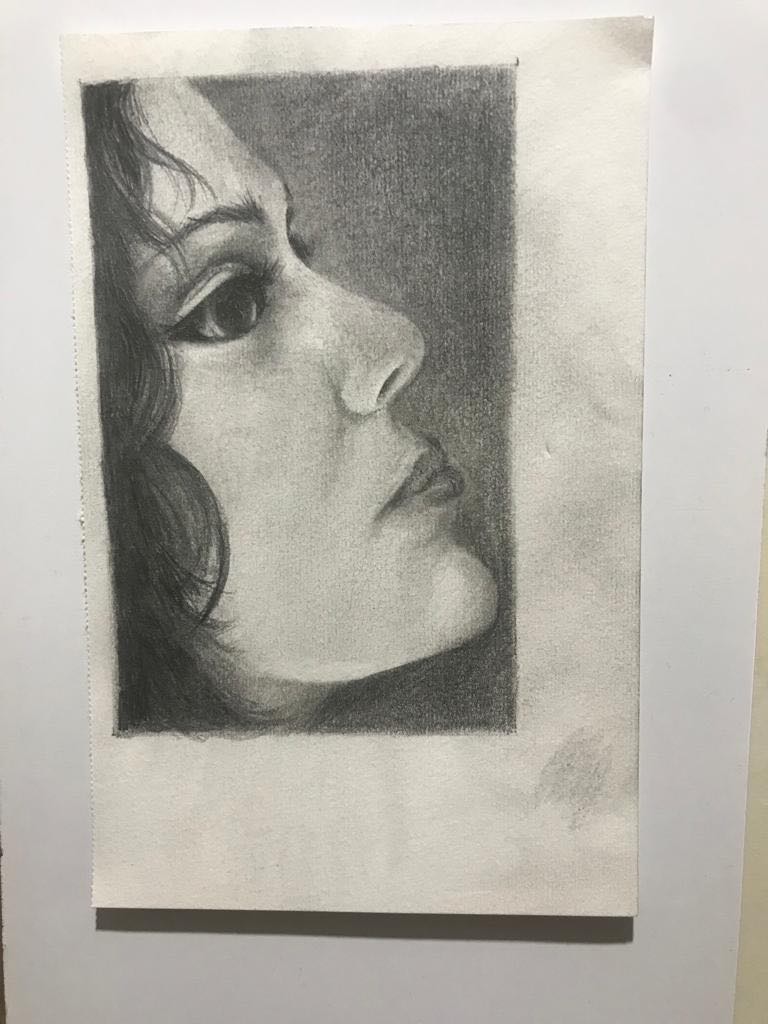
Art is a Natural Aid to Mental Health
Art is a natural aid to mental health and wellbeing. I’ve always found it to be a crucial outlet for expression, healing and connection. Painting, writing, music, dance or other forms of expression, can provide everyone with a sense of purpose, achievement and self-esteem. This is vital to maintaining positive mental health. I took on the 100 Days Project, just for me, to spend one hour every day making art. Some of the creations are included in this article.
Art Therapy
Art has been used as a form of therapy for centuries, and for good reason. Music, art and creativity have been recognized for their therapeutic value, particularly in the treatment and management of mental health disorders such as depression, anxiety, and post-traumatic stress disorder. Visual art therapy involves using pens, pencils, crayons, paint, chalk, clay or collaging or even digital media, such as photographs and video. You don’t need art skills or experience. According to the Mind Organisation UK some people find that art therapy helps them to:
- communicate feelings or thoughts they find difficult to talk about
- look at a problem or situation in a new way
- explore difficult or painful experiences
- understand themselves better
- feel more comfortable in therapy
©Mind – Read the full article by clicking this link.
Whether you’re a seasoned artist or a beginner, exploring the world of art therapy can be a powerful tool. Various forms have been developed; ranging from traditional art (which involves drawing or painting under the guidance of a therapist), to music therapy, dance therapy and drama therapy. All use creative expression to help you work through your issues.
I used to feel very alone, as I suffer from social anxiety, OCD and I constantly battle depression. But, I am winning that battle and art has helped me fight harder. Chances are, when you think of someone who is classed as the ‘life and soul’ of a night out, they are often putting on a front to cover up the fact that they just want to run home, the internal battle is very difficult. Some won’t even make it out of the front door, coming up with a last-minute excuse because they lost the internal argument. In my experience, there was little sympathy and a lot of anger and irritation. The solution at the time was to stop going out. I would never do that to myself again.
How Art Can Help You Cope with Anxiety and Depression
According to the Canadian Mental Health Association, 50% of the population will have or will have had a mental illness by the age of 40. Nowadays, there is no longer such a stigma surrounding these problems, people are much more aware and able to offer help. Please don’t suffer in silence.
Art has a positive impact on stress and anxiety levels. Studies show that engaging in creative activities reduces cortisol levels and promotes feelings of relaxation and calmness.
When we engage in creative activities, we enter a state of mindfulness. We become fully immersed in the task at hand, providing a sense of peace and mental clarity. This allows us to escape from the stresses of daily life and focus on the present moment. As a result, this brings a temporary respite from any issues or stressors.
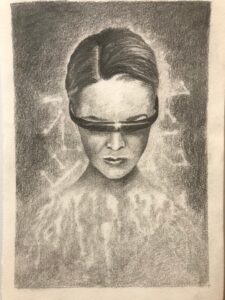
Art Can Overcome Feelings of Isolation
Art and creativity can provide a sense of connection and community. This is especially important in times of isolation or loneliness. Through support groups and art clubs, creativity can become a platform for you to share your experiences, vulnerabilities and triumphs. In turn, this fosters a sense of belonging and reduces feelings of isolation. If you are housebound or a disability makes travel difficult, there are many online art clubs and groups. Explore Facebook and you will soon see the wide array on offer.
Inclusion will be particularly beneficial for anyone struggling with isolation issues, as you may feel disconnected from the larger world around you. By joining a creative community, you can find validation and support in your struggles, leading to a more positive outlook on life. All of which improves your mental health. Joining an online art club was instrumental in my finding a way through social anxiety issues.
Beyond the therapeutic benefits, art and creativity serves as a catalyst for personal growth and development. Through the process of creating, a safe way to confront emotions, thoughts and experiences emerges. Thus, you gain a deeper understanding of yourself and your place in the world. This leads to a greater sense of self-awareness and self-acceptance.
I particularly admire the work and ethos of artist Jessica Serran, who teaches you to empower yourself through art. She is magnificently fearless, because she has used art to free herself from that nagging internal, negative voice. Here is a snippet from one of her facebook posts:
“What has shocked and humbled me the most about being a parent is the incredible range of emotions that wash over me today…
Hell, in any given hour.
Total joy. Ridiculous levels of adoration. Split-second, middle-of-the-night rage. Exasperation. Existential levels of self-doubt. Pride and delight. Being moved to tears, followed by wanting to run back to my former life. With hearty levels of shame-filled child-like irritation.
It’s all there.
And it’s all there for me to show up as a real human being having a real human experience… And modelling how this looks for my son. Which, most days, requires all the courage I can muster “
I purchased a course with Jessica and I can honestly say it proved to be a turning point for me. Remember the statistic from earlier, 50% of the population by the age of 40 will have had some kind of personal crisis. You are not alone. You do not have to deal with these feelings alone. Put simply, you have to talk to yourself in a different way and accept yourself for the good and the bad. It makes you human.
Gloriously human.
Art leads to personal growth
Art can also challenge you to view things in a different way. It allows you to question your assumptions and biases, leading to a broadening of your perspectives. Have you ever looked at a piece of art and thought it was rubbish? I bet you have. Have you looked at a piece of art and it resonated in a positive way? You had to stop and look and pay attention because in some way that creation brought you to a standstill and provoked a response.
By exploring new mediums and ways of creating, you can experiment and take risks with your art. You could very well find yourself painting in the style you once deemed ‘rubbish’ understanding that actually the freedom of brush strokes and colour and vitality soothed you, melted away the moodiness and what may have seemed meaningless suddenly becomes vitally important. Ultimately, this can lead to deeply personal breakthroughs and growth. As a result, this new outlook crosses over into other areas of your life.
By allowing yourself expression in unique and meaningful ways, art is a powerful tool for healing, growth, and transformation. Whether traditional art therapy or simply engaging in creative activities in your own personal space, the importance of creativity cannot be overstated. It is crucial that we continue to recognize and promote the therapeutic benefits, providing individuals with the tools they need to achieve optimal mental health and wellness. For example, I produce highly detailed art, I cannot express how much this has help my Obsessive-Compulsive Disorder. After hours of painstaking work, I have neither time nor energy to wash my hands or worry about whether or not I switched off the cooker.
Incorporating Art into Your Daily Routine for Long-Term Mental Health.
Art therapy is not just a one-time activity, but rather a long-term practice that will have lasting benefits for mental health.
Incorporating art into your daily routine can help you manage symptoms of anxiety and depression over time. This can be as simple as setting aside 10-15 minutes each day to engage in a creative activity, such as colouring or doodling. You can also try attending local art classes, clubs or workshops. Create a dedicated space in your home, a quiet mindful corner that is all yours. By making art a regular part of your routine, you can reap the benefits of improved mood and self-awareness. You will feel a greater sense of purpose and meaning in your life. You will soon see the progression in your work, there is no right or wrong, good or bad. Art simply makes you feel.
Trust me, it works.
And if you don’t know where to begin, go to the home page, find the link at the bottom of my bio and read how I got started.
I hope this helps.
Jx
2 comments
Gillian Hunter
Amazing website very talented artist
Jill Wells
Thank you so much Gill